Olive oil:
Probably the most widely-used oil in cooking, olive oil is pressed from fresh olives. It’s mainly made in the Mediterranean, primarily in Italy, Spain and Greece. Climate, soil and the way the olives are harvested and pressed all have an impact on an oil’s character.
Some factors that determine an oil’s quality:
Some factors that determine an oil’s quality: the zone of cultivation and the variety of olives grown, the climate, the
technology used in harvesting the olives, their level of ripeness, the times and conditions of storage, the extraction techniques, the preservation of the oil, the hygiene and the treatments that plants and land receive.
Olive oil tasters describe the “positive attributes” using the following terms:
Fruity: Having pleasant spicy fruit flavors characteristic of fresh ripe or green olives. Ripe fruit yields oils that are milder, aromatic, buttery, and floral. Green fruit yields oils that are grassy, herbaceous, bitter, and pungent. Fruitiness also varies with the variety of olive.
Bitter: Creating a mostly pleasant acrid flavor sensation on the tongue.
Pungent: Creating a peppery sensation in the mouth and throat
Choose the best:
Extra virgin oil is the most expensive type, and is made from the first cold pressing of the olives. It has a very low acidity rate (under 1%) and is best used for dipping or to dress salads – both because its superior flavor is impaired by heat and because it has a low smoking point.
Extra virgin olive oil is made simply by crushing olives and extracting the juice. It is the only cooking oil that is made without the use of chemicals and industrial refining.
Extra virgin olive oil must have no taste “defects.” It needs to have a nice flavor of fresh olives and achieve higher scores in lab tests for its chemical composition than other grades.
In chemical terms extra virgin olive oil is described as having a free acidity, expressed as oleic acid, of not more than 0.8 grams per 100 grams and a peroxide value of less than 20 mill equivalent O2. It must be produced entirely by mechanical means without the use of any solvents, and under temperatures that will not degrade the oil (less than 86°F, 30°C).
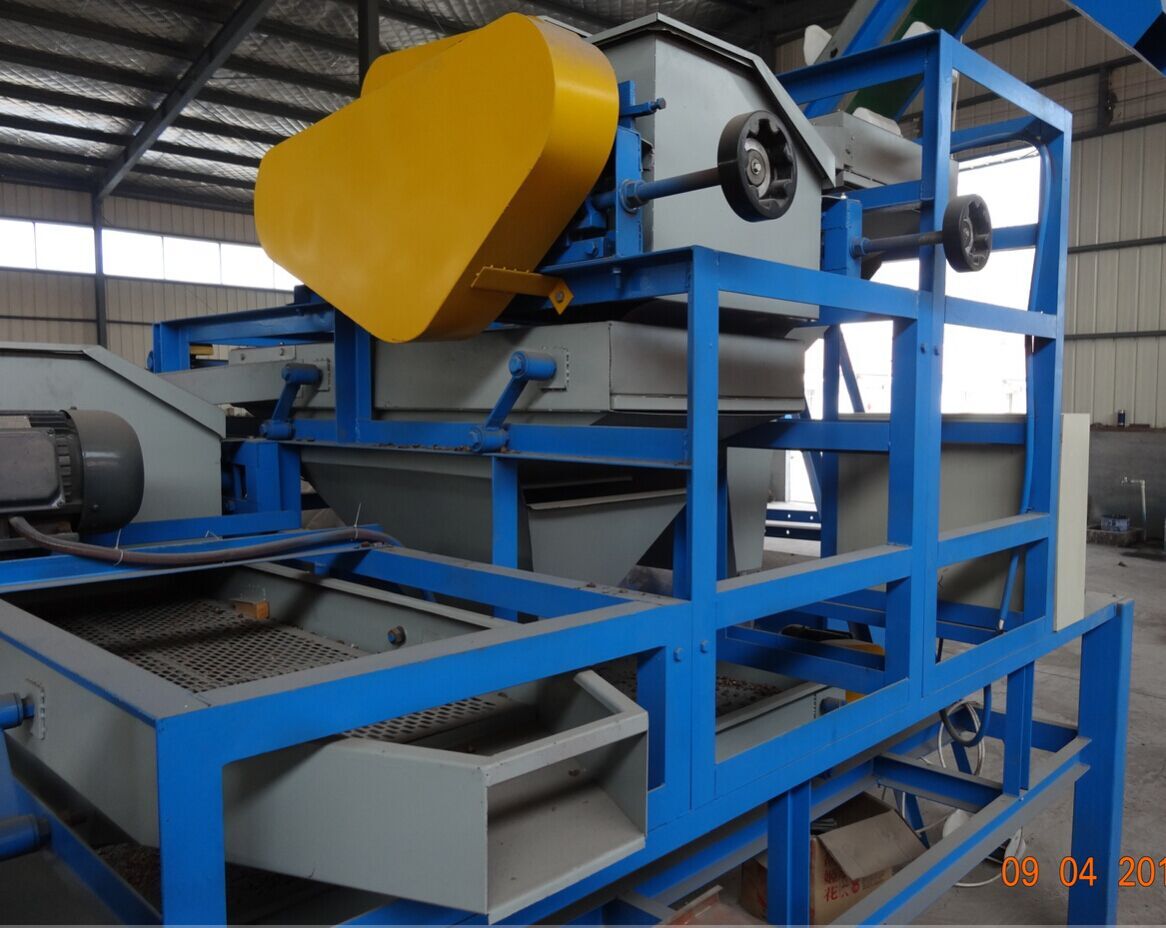
SIMEC Hydraulic Oil Press adopts the advanced hydraulic cold press technology, the nutrition of oil would not be destroyed and original flavor could be preserved.
The production:
Once the olives are picked they are brought to the oil mill as quickly as possible in well- aired baskets and care is taken not to squash any of the olives. The next job is to separate the fruit from any leaves, branches or soil through suction and washing. The pressing is the next step: in this phase the olives are squashed by heavy mixers and the result is a heterogeneous mixture of pulp and nuts. The blend is then remixed in kneading machines. The next step is the pressing of the olives: in this phase the olives are squashed by heavy mixers and the result is a heterogeneous mixture of pulp and nuts. The blend is then
remixed in kneading machines. The final extraction is done by machine again, under which vegetable fiber or synthetic fiber discs are piled up to gather the mix. Here it is squeezed with increasing pressure for an hour approximately until the must oil comes out. The solid part attached to the discs is called ‘sansa’, meaning residue. The must oil needs to be left standing still since it is cloudy and contains particles of water and air. Then the oil is poured out and filtered so that vegetable particles do not make the olives go rancid too quickly.
When To Use Olive Oil
When you’re making salad dressing or sautéing vegetables over medium heat, olive oil is an excellent choice. Since it has a distinct flavor, use it in dishes where you want to taste it drizzled over steamed vegetables, soup or bread, for example. Olive oil has more monounsaturated fat than other oils, making it a great choice for heart-healthy cooking. It is excellent on meat and fish as well.
Store it
Olive oil deteriorates when exposed to direct sunlight, so keep it in an airtight bottle a cool, dark place, like a kitchen cupboard, rather than sitting out on a worktop or window sill. Olive oil does not improve with age, and is best consumed within a year of bottling.
Nutrient Composition of Extra Virgin Olive Oil
Extra virgin olive oil is fairly nutritious.
It contains modest amounts of Vitamins E and K and plenty of beneficial fatty acids. Olive oil is very high in monounsaturated fats and contains a modest amount of vitamins E and K. True extra virgin olive oil is loaded with antioxidants, some of which have powerful health benefits.
Olive oil, which is rich in monounsaturated fatty acids*, is a major component of the Mediterranean diet. Populations from that region have longer life expectancies and lower risks of heart disease, high blood pressure and stroke, compared with North Americans and Northern Europeans.
COLD PRESS, MORE HEALTHY!
 Tel: oo86 3723303638
Email: info@simecoilpress.com
*Monounsaturated fatty acids (MUFAs) are considered a healthy dietary fat, as opposed to saturated fats and trans fats.