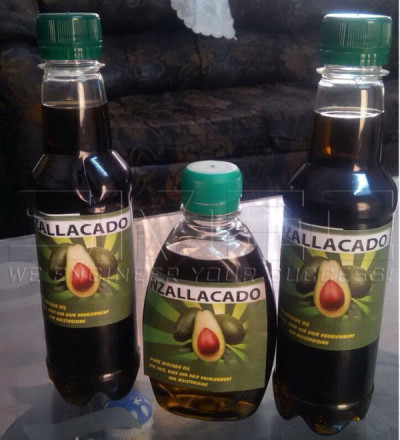
Advantages of Avocado Vacuum Dehydration
Avocado oil is rich in monounsaturated fats, vitamin E, polyphenols, and chlorophyll, making it a premium product for both culinary and cosmetic applications. However, conventional drying methods degrade thermolabile nutrients and accelerate lipid oxidation prior to oil extraction. To address these issues, vacuum dehydration technology emerges as a promising solution: it operates at lower temperatures, effectively removing moisture while preserving bioactive compounds. By minimizing oxidation during processing, it also enhances the oil’s stability.
Please see the detailed analysis below.
1. Retain heat-sensitive nutrients
Vacuum dehydration reduces the boiling point of water, enabling low-temperature rapid dehydration and maximizing the retention of heat-sensitive antioxidant components. Studies have shown that the vitamin E retention rate in vacuum-dehydrated avocado pulp is 20-30% higher than in hot air dried pulp. In addition, avocado contains lipoxygenase and peroxidase, which accelerate oil oxidation at high temperatures; the vacuum environment inhibits the activity of these enzymes, thereby providing more stable raw materials for subsequent cold pressing.
2. Improve oil extraction rate and quality
Vacuum dehydration causes avocado pulp to form a porous, loose structure, which reduces mechanical resistance during the cold-pressing process and increases oil yield by approximately 5-8% compared with traditional drying methods. For example, a Mexican manufacturer using vacuum dehydration combined with cold pressing saw oil yield rise from 12% to 18% on a dry basis—an increase of 6%, consistent with the above range. Additionally, vacuum dehydration can reduce the moisture content of avocado pulp to 4-6% at low-temperature. This process inhibits the activity of lipases (enzymes that break down fats into free fatty acids) and reduces phospholipid oxidation, thereby lowering the content of free fatty acids and phospholipids in the pressed oil and alleviating the burden of subsequent refining processes.
3. Extend the shelf life of avocado oil
Since moisture is a key medium for microbial growth, the vacuum dehydration process removes most of the water, significantly reducing the risk of microbial and mold contamination in cold-pressed avocado oil. The peroxide value (an indicator of oil oxidation) of the subsequent cold-pressed oil is 30~40% lower than that of crude oil from hot air dried pulp. Additionally, vacuum dehydration retains natural antioxidants (such as polyphenols and tocopherols), which can delay oil rancidity during storage. Experiments show that compared with oil from traditionally dried pulp, the shelf life of vacuum-pretreated avocado oil is extended by 3~6 months when stored at 25℃ away from light.
4. Energy saving and environmental protection advantages
The energy consumption of vacuum dehydration is approximately 1/3 to 1/2 that of freeze drying, and its processing time is shorter than freeze drying, making it suitable for large-scale production. Additionally, compared with the aqueous enzymatic oil extraction process, vacuum dehydration does not require large amounts of water usage, thus avoiding the problem of oily wastewater treatment.
5. High technical adaptability
Vacuum dehydration can be directly connected to cold pressing or supercritical CO₂ extraction without secondary drying, reducing process losses and shortening production cycles. The dehydrated avocado pomace can also be used to extract polysaccharides or dietary fiber, achieving full utilization of raw materials and improving their utilization rate.
Vacuum dehydration technology is driving avocado processing toward higher efficiency, superior nutrition retention, and a lower carbon footprint. Although there are still challenges in cost control, standardization, and optimization of green production processes, we can expect its further integration with other technologies to move to a new stage of development.




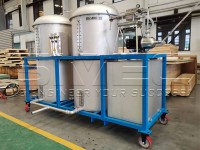
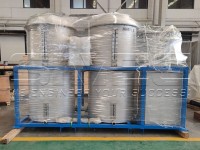


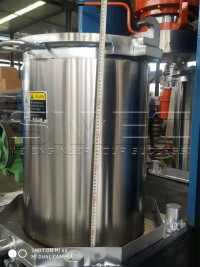

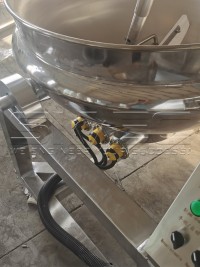

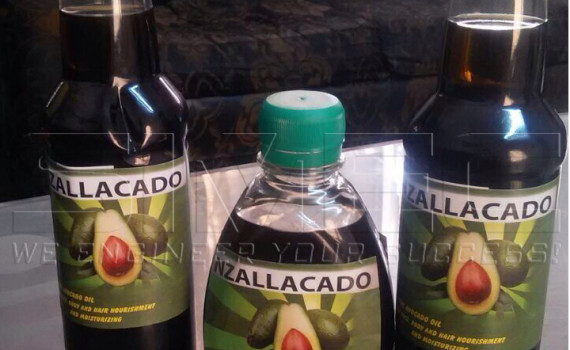
 Avocado oil is the oil extruded from avocado fruit, it is a kind of viscous oil with strong permeability, unrefined avocado oil is dark green with no noticeable odor. The crude avocado oil is mainly used in the cosmetic industry, while the refined avocado oil can be used in the food industry.
 The traditional production method of avocado oil is to slice and dry the avocado, press at high temperature, and then extract it with organic solvents. The process of slicing and drying is time-consuming and complicated, and high temperature pressing makes the bioactive substances in avocado, such as vitamin E, sterol, carotenoids, etc. lose a lot, destroy the oil cells, promote protein denaturation, and reduce oil viscosity. SIMEC hydraulic oil press adopts cold press, the nutrients in the oil are preserved completely, which is more in line with the needs of the human body.