
Demo of Avocado Pasting Machine
The video was taken on March 17, 2025, presenting the avocado pasting process. SIMEC technology integrates avocado peeling, pitting and beating.
Model: APM28
Power: 4 kW
Brand: SIMEC
Location: Nyeri, Kenya
Cold Press Technology for Avocado Oil, Olive Oil, Coconut Oil, Cocoa Butter Oil, etc.

The video was taken on March 17, 2025, presenting the avocado pasting process. SIMEC technology integrates avocado peeling, pitting and beating.
Model: APM28
Power: 4 kW
Brand: SIMEC
Location: Nyeri, Kenya

Sunflower seed oil has become a part of human food culture with its unique nutritional composition and health value. As a cooking oil, sunflower oil is rich in nutrients and has many benefits for human health.
Sunflower oil is rich in unsaturated fatty acids, especially linoleic acid and oleic acid, which play a positive role in maintaining cardiovascular health and lowering cholesterol levels. In addition, sunflower seed oil also contains antioxidants such as vitamin E and phytosterols, which help resist free radical damage and protect cells from oxidative stress, thereby delaying the aging process and promoting overall health. In the field of nutrition, sunflower oil is recognized as a healthful cooking oil because of its balanced fatty acid ratio and rich nutrients.
 |  |
In the processing of sunflower seed oil, cold pressing is a highly respected method, especially hydraulic cold pressing technology. A vertical press force of 380 tons exerted on sunflower seeds effectively ensures the high efficiency of the oil extraction process. Notably, throughout the entire oil extraction procedure, no external heat is applied to sunflower seeds, and vertical pressing will not generate friction heat, preventing any temperature increase.
Hydraulic cold-pressing technology maximizes nutrient and flavor retention. By keeping the temperature below 50°C, it prevents high-heat oxidation, minimizing nutrient loss. It also preserves the oil’s fresh aroma and natural color. As a result, the sunflower seed oil processed by hydraulic cold-pressing exhibits a clear, light-golden hue and a pure, delicate taste. Evidently, compared with conventionally processed oils, cold-pressed sunflower oil is far superior in both taste and nutritional value
Sunflower seed oil can be presented to consumers in the purest and healthiest state through the hydraulic cold pressing technology. In the European market, retail prices for cold-pressed sunflower oil generally range between €20–30 per liter, while premium organic brands may exceed €30 per liter.
Technical Indicators of Low-Temperature Cold-Pressed Sunflower Seed Oil
| Items | Technical Indicators | Remark |
| 1. Sensory Indicators | ||
| Color | Light golden yellow or pale yellow, clear and transparent, with no turbidity or sediment. | |
| Odor | Exhibits a natural sunflower seed fragrance | suitable for low-temperature cooking methods such as cold dishes and salads, maintaining the natural flavors of ingredients. |
| Smoke Point | Approximately 107℃ | suitable for light frying, steaming, or direct consumption in daily cooking. |
| 2. Physicochemical Indicators | ||
| Acid Value (expressed as KOH) | ≤3 mg/g | indicating free fatty acid content; lower values indicate better quality. |
| Peroxide Value | ≤10 mmol/kg | indicator of oxidation degree, cold-pressing technology can effectively reduce peroxide value. |
| Moisture and Volatiles | ≤0.2% | low moisture content enhances storage stability. |
| Insoluble Impurities | ≤0.2% | no cake residue or solid particles. |
| Iodine Value | 110~140 gI₂/100g | indicating unsaturated fatty acid content, higher values indicate a higher degree of unsaturation. |
| Saponification Value | 188~194 mg KOH/g | indicator of average molecular weight of fatty acids. |
| Refractive Index | 1.466~1.469 | a physical constant indicating oil type and purity. |
| Relative Density | 0.918~0.923 g/cm³(20℃) | |
| Heavy Metal Content | Lead ≤0.1 mg/kg, Arsenic ≤0.1 mg/kg | complies with food safety standards. |
| 3. Nutritional Composition Indicators | ||
| Unsaturated Fatty Acids | Total content ≥88% | helps regulate blood lipid levels and reduce the risk of cardiovascular diseases. |
| Linoleic Acid (ω-6) | 60%~70% | Cold Regions |
| 20%~30% | Warm Regions | |
| Oleic Acid (ω-9) | 15%~65% | varies significantly with climate. |
| Vitamin E | ≥57 mg/100g | natural antioxidant that protects oil stability. |
| Phospholipids | trace amounts | beneficial for nervous system health. |
| 4. Technical Features | ||
| Cold-pressing Technology | Pressing temperature ≤50℃ | preserves nutrients and reduces the formation of trans fatty acids. |
| Green Processing | Physical pressing without high temperature or chemical treatment | low energy consumption, low carbon emissions, conforms to sustainable production principles. |
This video as follow demonstrates a cold-pressing process of sunflower oil:

On February 5, 2025, a GMP50/280 hydraulic oil press machine was delivered from Qingdao Port to Nhava Sheva Port, India. The machine is scheduled to be installed at a GMP-certified essential oil production facility in Pithampur, which is near Indore in Madhya Pradesh, and this facility specializes in producing a variety of essential oils, such as almond oil, rapeseed oil, coriander seed oil, grape seed oil, morinda seed oil.
GMP50/280 oil extraction machine is engineered to conform to the most up-to-date GMP standards across the globe. Leveraging SIMEC technology, it offers steadfast support for essential oil production processes, ensuring full compliance with GMP certification requirements.
A vertical press force of 380 tons exerted on the oil materials effectively ensures the high efficiency of the oil extraction process. Notably, throughout the entire oil extraction procedure, no external heat is applied to the oil materials, preventing any temperature increase. This approach guarantees that the resulting essential oil retains its natural flavor. Moreover, all the beneficial nutrients within the oil materials are well-preserved. As a result, cold-pressed essential oil serves as an outstanding, naturally-derived ingredient for skincare and anti-aging purposes.
 |  |
SIMEC stands as a steadfast and dedicated technological collaborator for enterprises holding GMP certification. By your side, we harness our profound expertise to endow your business with a commanding edge.
GMP Compliance Highlights
| 1. Material Standards | |
| Contact parts | SS 316 with mirror finish (food-grade compliance). |
| Non-contact parts | SS 304 cladding (1.5mm thickness, brushed finish) to prevent rusting under chemical exposure, adhering to GMP norms. |
| Gaskets | Food-grade certified. |
| 2. Functional Requirements | |
| Motor | Explosion-proof motor (415V ±10%, 50Hz ±5%) with SS 304 protective cabinet. |
| Hydraulic system | Hydraulic station and control device with SS 304 protective cabinet. |
| Control cabinet | Explosion-proof |
| 3. Oil Collection System: movable and made of SS 304 | |
Packing Details:
| Mark | Items | Packing Dimensions (L*W*H) | Volume | Gross Weight |
| SIMEC | GMP50/280 hydraulic oil press, spare parts, filter cloth and tool kit. | 2500*1420*1700 mm | 6 m³ | 2600 kgs |

Canola is a crop with plants from three to five feet tall that produce pods from which seeds are harvested and crushed to create canola oil and meal. These plants also produce small, yellow flowers, which beautify the environment.
Canola seeds contain approximately 45 percent oil, a high percentage packed into seeds similar in size to rapeseed but distinguished by their brownish-black hue. Although they look similar, canola and rapeseed plants and oils are very different. Canadian scientists used traditional plant breeding in the 1960s to practically eliminate two undesirable components of rapeseed, erucic acid from oil and glucosinolates from meal, to create “canola,” a contraction of “Canadian” and “ola.” Canola oil is prized for its heart-healthy properties with the least saturated fat of all common culinary oils.
 |  |
Canola belongs to the Brassica plant family, which also includes mustard, broccoli, Brussels sprouts, and cauliflower. Besides China, canola is cultivated in Canada, Australia, Europe, and the United States. Canola seed is also known as “double low rapeseed” due to its low levels of erucic acid and glucosinolates, particularly in China and Europe. Canola plants are easy to grow, need fewer pesticides, and the oil extraction process is efficient with little waste.
Production: Canola plants are grown in suitable fields, harvested, and seeds are transported to processing facilities. After cleaning and moisture adjustment, canola seeds are pressed to release the canola oil. Following extraction, the canola oil can be further refined to produce a shelf-stable, clear and neutral-tasting oil which can be stored at room temperature for about one year. The remaining solid parts of canola seed can be processed into canola meal, a protein-packed product used in animal feed.
Health Benefits: Canola oil has a beneficial fatty acid profile. It’s low in saturated fat, reducing the risk of heart disease. It’s rich in monounsaturated fats like oleic acid, and polyunsaturated fats including omega – 3s, which support brain health and reduce inflammation.
Culinary Versatility: Its neutral flavor and high smoke point (about 400°F/204°C) make it suitable for frying, sautéing, baking, and salad dressings. It doesn’t overpower other ingredients and can withstand high-heat cooking without breaking down.
 |  |
Advantages of Cold-pressed Canola Oil
1. Nutrient Retention: cold-pressed extraction, without heat or chemicals, preserves more vitamin E and omega-3s, which are good for skin and immune system. Zero trans fats, more omega 6 & 3 than olive oil. High in vitamin E, low in saturated fat.
2. Pure and Natural Flavor: it has a fresh, delicate taste, ideal for salad dressings and raw food recipes, free from off-flavors of refined oils.
3. Minimal Processing: involving only mechanical pressure, it’s more environmentally friendly and less likely to introduce contaminants.
In summary, canola oil, especially cold-pressed, is a healthy, versatile, and sustainable cooking choice, appealing to health-conscious consumers and chefs.
Advanced cold pressing technology can maximize the value of canola oil.

Good Manufacturing Practices (GMP) is a set of mandatory standards applicable to pharmaceutical, food and other industries. GMP requires pharmaceutical, food and other manufacturers to adopt good production equipment and technology to ensure that the quality of the final product, including food safety and hygiene, can meet the requirements of regulations.
GMP50/280 hydraulic oil press machine is designed to meet the latest GMP standard worldwide. Adopting SIMEC technology and equipment can facilitate GMP certification. All the raw material contact parts are made of food grade 316 stainless steel. All the other non-contact parts have 304 stainless steel cladding to fulfill GMP norms.
|  | |
Special oil-proof & dust-proof sealing devices. All high quality robust steel construction. Overall stainless steel proof plate to exterior surface. The machine can produce almond oil, rapeseed oil, coriander seeds oil, grape seed oil, morinda seed oil, avocado oil, coconut oil, baobab oil, etc.
Technical Parameters
| NO. | Description | Parameter |
| 1 | Model | GMP50/280 |
| 2 | Power | 4 kW |
| 3 | Capacity | 150 kg/hr of avocados |
| 4 | Inner Diameter of Material Barrel | 450 mm |
| 5 | Height of Material Barrel | 700 mm |
| 6 | Quantity of Barrels | 2 pcs |
| 7 | Working Pressure | 50 MPA |
| 8 | Max Pressure | 60 MPA |
| 9 | Press Force | 380 tons |
| 10 | Package Dimension (L*W*H) | 2500*1420*1700 mm |
| 11 | Gross Weight | 2600 |
| GMP Standards | ||
| 12 | Material of Contact Part | SS316 |
| 13 | SS Cladding on Non-Contact Part | SS304 |
| 14 | Finishing of Contact Part | Mirror Finish |
| 15 | Finishing of Non-Contact Part | Brushed Finish SS304 Cladding |
| 16 | Motor | Explosion-proof motor |
| 17 | Control Cabinet | Explosion-proof |
| 18 | Gasket | Food grade |
 |  |  |

The baobab tree is the longest-living tree species from Africa. Although the growth cycle is very long, the tree age can be as long as 200 to 6,000 years. This tree species can only grow in a non-pollution environment, which makes it more precious in the global warming environment of the 21st Century. This tree has many usages which include medicinal application, source of food as well as a herb. The tree leaves are rich in protein, which are used consumed as vegetables, they are also used in food preservation methods. Its fruits are rich in vitamin C, which can be eaten raw or consumed with juice, yoghurt and milk. The vitamin C content is 10 times that of most citrus fruits, and the mineral and amino acids contents are more comprehensive and rich, as shown in the following tables.
Mineral Components Contained in Baobab Tree’s Seeds and Fruits
| Mineral Components | Fruit Flesh (μg/ g Net Weight) | Seed (μg/ g Net Weight) |
| Iron | 17 | 18.3 |
| Calcium | 3410 | 3950 |
| Magnesium | 2090 | 3520 |
| Manganese | – | 10.6 |
| Zinc | 10.4 | 25.7 |
| Sodium | 54.6 | 19.6 |
| Phosphorus | 733 | 6140 |
Components of Some Important Amino Acids Contained in Baobab Trees, the Fruits and Seeds
| Amino Acid Components | Fruit Flesh (mg / g Net Weight) | Seeds(mg / g Net Weight) | (WHO) Ideal Protein Contents Suggested |
| Leucine | – | 14.0 | 7.0 |
| Threonine | 0.65 | 6.98 | 4.0 |
| Valine | 1.62 | 11.6 | 5.0 |
| Isoleucine | 1.37 | 8.27 | 4.0 |
| Lysine | 1.63 | 11.2 | 5.5 |
| Tryptophan | 0.18 | 2.81 | 4.0 |
| Glutamic acid | 3.94 | 48.9 | – |
Note: Both the fruit flesh and seeds contain the ideal protein suggested by WHO, and the ideal protein content of the seeds is more than twice the standard one.
 |  |
With the help of SIMEC technology, the following products can be developed: baobab fruit powder and baobab seed oil. Product Features: Precious Value Contained.
Baobab Fruit Powder
Features: The baobab fruit is the only fruit in the world that is naturally dry when it becomes ripen. Therefore, the materials of baobab fruit powder harvested are 100% natural and are packaged in vacuum approach right after harvesting .
Consumption and Efficacy:
1. The fruit powder has a taste similar to that of lactic acid bacteria, which can relieve thirst.
2. It can be sprinkled to milk or cereal and stirred for consumption.
3. It can be used in bread baking as an alternative of the cream of tartar.
4. It can be added into salad directly for consumption without any additional cooking.
5. During the summer season, it can be blended into a variety of smoothies or sparkling drinks.
6. It can be used as the sweetener during the ferment process for making beer.
 |  |
Baobab Seed Oil
Features: In some regions of Africa, baobab seed oil has been used for centuries in food, pharmaceutical, cosmetic applications and lubrications for manufacturing, as well as in soap and skin care products. The seed oil contains high proportion of linoleic and oleic acid, accounting for 39.42% and 26.07% of the total fat, respectively. Among others, palmitic and α-linolenic acid are also excellent sources of monounsaturated and polyunsaturated fatty acids. The content of β-carotene is 43.36μg/100g, which is twice that of palm kernel and 7 times that of corn oil. It is rich in vitamin A, D, E and other antioxidants as well.
Usage and Efficacy:
1. It can be applied directly to the skin or made into skin care products. It has light-yellow liquid and is fast to be absorbed.
2. It is helpful for skin restoration, anti-allergic, emollient, skin regeneration, anti-inflammatory, and relieving the pain caused by burns.
3. In African traditions, it has been used as the massage oil for a long time, which is easy to penetrate, reduce contracture and muscle pain.
4. For pregnant women, it can prevent stretch marks formation.
Regions and Harvesting:
There are two major harvesting regions, one is in Manicaland in the eastern Zimbabwe (the same region for avocado harvesting) and the other is in Matabeleland North in the southern region of the country. On average, a baobab fruit contains 30 seeds and can extract about 5% of seed oil.
Product Features and Advantages:
Whether in powder or seed oil form, the all its products have the super-nutritive characteristics of “super fruit”, which help fulfill the pursuit of healthy life for consumers. It’s rare and extremely precious, and SIMEC can provide you with the best baobab products due to the factory’s geographical locational advantage and technology advantage.
The life cycle of the baobab products is currently at the emerging stage with lots of room for growth and it is worth for further development which gives you the opportunity to get a head start in the market. SIMEC provide the most advanced technology for the production of baobab fruit powder and baobab seed oil.

Oil press machine, as a device for extracting vegetable oil from plant raw materials, is important in the modern oil industry. SIMEC will conduct a popular science discussion on the functionality of oil press, aiming to briefly introduce its working principle, classification and application.
Application of oil press machine
Oil press machines are widely used in pressing various oil crops, such as soybeans, peanuts, cottonseeds, rapeseeds, and sesame seeds, etc. Through advanced technology and design, they achieve efficient pressing, improving oil yield. Equipped with automatic control systems, they ensure the stability and safety of the pressing process, while emphasizing energy conservation and environmental protection. These machines utilize low energy consumption and exhibit high efficiency.
Oil press machines can also equip the functions of impurity removal, refining, filtration, etc., to achieve integrated production and improve production efficiency and product quality.
Classification of oil press machine
Oil pressing machines can be divided into many types according to their structure and pressing methods. Common ones include screw oil press machine, hydraulic oil press machine, etc. These different types of oil pressing machines have their own characteristics in pressing efficiency, oil yield, application scope, etc., and can meet the pressing needs of different oil crops.
 |  |
Screw oil press machine works by physically pressing pre-treated oil material. The material enters the pressing chamber via a hopper, where a rotating screw pushes it. The resulting high pressure generates friction, causing movement and heat. The screw’s design, with a gradually increasing diameter and decreasing pitch, enhances pressing efficiency and thermally denatures proteins, facilitating oil precipitation.
Hydraulic oil press machine adopts cold processing technology to extract oil. It provides 200-380 tons of vertical pressing force on oil material, but will not generate friction and heat. The oil material will not be heated, no temperature rise during oil extraction process, hence no protein denaturing, no nutrients loss. The continuous high pressure is generated by hydraulic station, controlled in automatic mode. The electricity consumption of oil extraction process is much lower than screw oil press.
Oil press machine in modern life
Oil press machines are widely utilized in modern life, not only in the traditional oil processing industry but also gradually in non-food industry fields such as pharmaceuticals and chemicals. At the same time, with people’s increasing attention to healthy eating, home use oil pressing machines have gradually become popular, so that people can make healthy and safe cooking oil at home.
Through continuous technological innovation and equipment upgrading, SIMEC oil pressing machine will further improve the pressing efficiency, oil yield and product quality, and provide more convenience and protection for people’s healthy diet and life. More and more fields of use can also be explored, if you have new ideas, you can also discuss with SIMEC, we’d love to make progress in communication.

For avocado enthusiasts seeking to create a portable and healthier snack, the following four dehydration methods provide solutions.
Food Dehydrator Method
The most common and well-known way to dehydrate avocados is to use a dehydrator. This is the quickest and most efficient dehydration process, taking only a few hours.
To dehydrate avocados using a traditional dehydrator, you can follow these steps:
1. Take your room-temperature avocado and cut it into thin slices, about 3mm thick.
2. Place the slices in a single layer on a dehydrator tray.
3. Set the dehydrator temperature to 57℃ and let it run until the avocado slices are dehydrated, which can take anywhere from 8 to 12 hours, depending on the dehydrator and the thickness of the slices.
4. Check the slices every few hours to see if they are dry, and rotate the trays.
5. Once they are dry and leathery, with an apperance similar to fruit leather, remove the slices from the dehydrator and allow them to cool completely.
6. Store the dehydrated avocado slices in an airtight container or resealable plastic bag in a cool, dark place.
 |  |
Setting of Dehydrator Temperature in Commercial Applications: When dehydration begins upon the introduction of food, the ongoing evaporation of moisture from the food extracts heat, causing the actual temperature within the chamber to be approximately 20 degrees Fahrenheit lower than the set temperature. This phenomenon is considered normal. As the moisture content in the food decreases, the temperature within the chamber gradually rises to approach the predetermined set value.
Air Drying Method
Air drying avocados is one of the simplest methods for dehydrating avocados. This method works best in a dry and warm environment. It is helpful to lay the avocados on a drying rack or dehydrating screen to ensure proper air circulation and even drying.
To air-dry avocados, follow these steps:
1. Cut the avocado in half and remove the pit.
2. Place the avocado halves cut-side up on a paper towel to absorb excess moisture.
3. Leave the avocados to air-dry in a warm, dry place for a few days or until the cut surfaces have become firm and slightly wrinkled.
4. Store the air-dried avocados in an airtight container until ready to use.
You should note that air-drying avocados can help prolong their shelf life, but it won’t prevent them from eventually going bad. You should still use or freeze them within a few days.
Oven Drying Method
Oven drying is a method of dehydrating used to extend the shelf-life of food for people interested in long-term food preservation. Many people who do not have or want to purchase a traditional dehydrator choose to use this method of dehydrating their food.
 |  |
To oven-dry avocados, follow these steps:
1. Preheat the oven to 93℃, or the lowest temperature your oven allows.
2. Cut the avocado into thin slices, approximately 3mm thick.
3. Place the slices on a baking sheet lined with parchment paper or a silicone baking mat.
4. Bake the slices in the oven for 4 to 6 hours, or until they are dry and slightly leathery in texture.
5. Check the slices every hour and rotate the baking sheet if necessary to ensure even drying.
6. Once they are dry, remove the slices from the oven and let them cool until they reach a crispy texture.
7. Store the oven-dried avocado slices in an airtight container or resealable plastic bag in a cool, dark place.
When oven-drying avocados, it can be a slower process compared to using a dehydrator. It’s important to keep a close eye on the avocados and monitor them regularly to avoid over-drying, which can cause them to become too brittle and lose their flavor and nutrients.
Sun Drying Method
If you live in a sunny and warm climate, you can use the sun to dry your avocado slices. This method takes the longest, but it’s also the most natural and eco-friendly way to preserve all the health benefits of avocados.
Sun-drying avocados is a traditional method of preserving food. However, achieving consistent results can be challenging, and it may pose food safety risks if not done correctly.
Here’s how to sun-dry avocados:
1. Cut the avocado into thin slices, approximately 3mm thick.
2. Place the slices on a clean, flat surface that has been covered with a layer of cheesecloth to prevent contamination.
3. Position the surface in a sunny, well-ventilated area where the temperature will remain between 35°C and 46°C for several days.
4. Turn the slices every few hours to ensure even drying and to prevent mold or spoilage.
5. Continue drying the slices until they are dehydrated and slightly leathery. This process could take anywhere from 2 to 5 days, depending on the weather conditions.
6. Store the sun-dried avocado slices in an airtight container or resealable plastic bag in a cool, dark place.
If you choose to sun-dry avocados, remember that it can be a slow and unpredictable process. It’s important to regularly monitor the slices to ensure they are drying properly and to prevent contamination. Using a dehydrator or oven to dry avocados offers a more controlled and consistent drying environment.

Avocado oil has become common in kitchens around the world, renowned for its rich health benefits and wide applicability in cooking. On the shelves of supermarkets, different types of avocado oil attract the attention of consumers with their diverse packaging and labels, such as “extra virgin avocado oil”, “virgin avocado oil” and “pure avocado oil” and other names frequently appear. If you purchase avocado oil in bulk, you may come across a producer offering significant differences in price regarding “extra virgin avocado oil” versus “crude avocado oil”. What are the core differences between them? Let’s take a deep dive into the world of avocado oil and learn the difference between regular avocado oil and extra virgin avocado oil.
Since avocado oil lacks universally defined quality parameters, people usually use the recommended values for olive oil as a reference. The quality standards for olive oil can be found in the Codex Alimentarius and the International Olive Council’s regulations.
 |  |
Actually, a classification method for avocado oil can be developed based on its extraction method and fruit quality.
Avocado Oil Classification: Extra virgin avocado oil
Definition Method: Avocado oil of a higher quality, “extra virgin”, corresponds to that produced from high-quality fruit, extracted only with mechanical methods, using a temperature below 50 °C and without the use of chemical solvents.
Avocado Oil Classification: Virgin avocado oil
Definition Method: “Virgin” avocado oil is produced with fruit of a lower quality (with small areas of rot and physical alterations), extracted by mechanical methods, using a temperature below 50 ° C and without the use of chemical solvents.
Avocado Oil Classification: Pure avocado oil
Definition Method: “Pure” avocado oil is a type of oil for the production of which the quality of the fruit is not important; it is a bleached and deodorized oil, infused with the natural flavor of herbs or fruits. “Pure” edible avocado oil is a product with at least 98.5% refined avocado oil.
Avocado Oil Classification: Mixed avocado oil
Definition Method: “Mixed” avocado oil is combined with olive, macadamia, and other oils. Therefore, it presents sensory and chemical characteristics that are variable.
Avocado Oil Classification: Crude avocado oil
Definition Method: The “crude oil of avocado” is a slightly amber-colored fatty liquid, obtained by physical extraction of the avocado pulp and the seed of the avocado fruits.
 |  |
In actual trade activities, avocado oil can be classified according to different levels of free fatty acid content. (% m/m expressed in oleic acid)
Extra virgin avocado oil ≤ 0.8
Virgin avocado oil ≤ 2
Ordinary virgin avocado oil ≤ 3.3
Pure avocado oil ≤ 1.03
Refined avocado oil ≤ 0.3
Crude avocado oil: no limit
It is imperative to discuss the extraction methods of avocado oil: refining and physical pressing. Refined avocado oil is commonly refined, involving processes like filtering and deodorization, resulting in a neutral- flavored oil with a higher smoke point. Extra virgin avocado oil undergoes physical pressing, a cold processing technique that preserves the fruit’s natural flavors and nutrients by pressing the avocado oil at low temperatures. This gentle extraction method yields an oil with a distinct flavor profile and lower smoke point.
As a technology and equipment supplier, SIMEC focus on the extraction method of extra virgin avocado oil. Adopting SIMEC physical pressing method, there’s no heating for the avocado pulp and no temperature rise during the cold extraction process of avocado oil. The quality of avocado oil can achieve the procurement standard in cosmetic and food industries.

As a prominent manufacturer of hydraulic oil press, SIMEC has successfully secured a repeat order for two HOP-50/280 hydraulic presses from one of its esteemed and long-standing clients in Egypt. This recent procurement underscores the client’s satisfaction with the performance and quality of the SIMEC hydraulic press, which was installed in 2019 for the production of cold-pressed flaxseed oil and peanut oil.
At SIMEC, we are dedicated to delivering bespoke solutions that address our customers’ diverse technical requirements and local regulatory. Our unwavering commitment to customization and innovation guarantees that our hydraulic oil presses not only exhibit superior performance but can also be precisely tailored to meet each customer’s distinct needs.
 |  |  |
SIMEC recognizes and prioritizes the unique needs of each customer, which is why we have meticulously designed the HOP-50/280 hydraulic press to align perfectly with their specific requirements and expectations. To further enhance user experience and ensure optimal performance in hot environments, such as tropical regions, SIMEC has customized a ventilation fan system for control cabinet of hydraulic oil press. This thoughtful design plays a crucial role in the daily operation of the hydraulic oil press. The ventilation fan efficiently expels accumulated hot air from the control cabinet, effectively maintaining an appropriate operating temperature for electrical components. This feature significantly reduces the risk of performance degradation or failure due to overheating. Consequently, it not only extends the service life of electrical components but also lowers maintenance costs, providing customers with a more stable and reliable equipment usage experience.
Furthermore, based on the specific installation requirements of our customer, SIMEC has designed dual steel barrels featuring a unique capability: they can be easily separated into two distinct parts. This flexibility significantly streamlines the installation process and allows our customers to seamlessly integrate the hydraulic oil press onto the operation platform within their workshop. Moreover, the customer has ordered additional spare parts to support their existing hydraulic oil press machines.
The oil press machines and spar parts will be delivered to Alexandria sea port, Egypt on 18th September, 2024. Shipping time is about 50 days.
Packing Details:
| Mark | Packing Dimensions (L*W*H) | Net Weight (kgs) | Gross Weight (kgs) | Packing Details |
| SIMEC 01 | 2360x1350x1370 mm | 2640 | 2740 | Hydraulic oil press, 1 set; Hydraulic cylinder, 1 set; Toolkit, 1 set; Filter cloth, 40m. |
| SIMEC 02 | 2360x1350x1370 mm | 2758 | 2858 | Hydraulic oil press, 1 set; Hydraulic cylinder, 1 set; Toolkit, 1 set; Oil pump, 6 sets; Pressure gauge, 20 pcs; Oil seals, 6 sets; Filter cloth, 40m. |
| Total | 8.73 CBM | 5398 kgs | 5598 kgs |
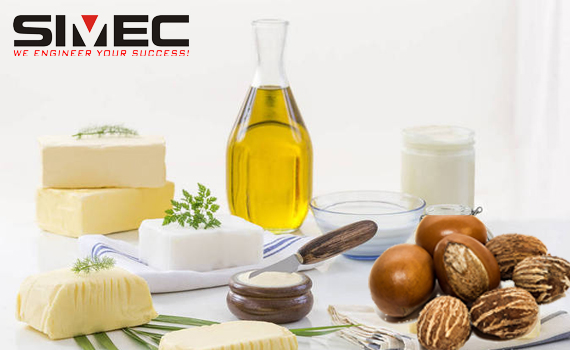
The video was taken in Ivory Coast by a client who focus on shea oil production using SIMEC hydraulic oil press.
Shea oil is extracted from shea nuts at a temperature above 34 °C. Shea oil emits a potent aroma. It is utilized extensively for moisturizing and softening skin and hair. The oil transforms to butter below 34 °C. Shea butter is solid and waxy in appearance at room temperature.
Shea nuts grow on the shea tree which is indigenous to the savanna regions of West and Central Africa on the African continent. The tree is often called the shea butter tree. The shea fruit consists of a thin, tart, nutritious pulp that surrounds a relatively large, oil-rich seed from which shea oil is extracted.

On October 23, 2023, SIMEC delivered HOP50/280 hydraulic oil press to New Zealand. The client is specialized in hemp plantation and R&D of hemp-based products. The hydraulic oil press will be installed to produce extra virgin hemp seed oil, which has become a popular food supplement in people’s daily diets due to its numerous health benefits.
 |  |
The cold-pressed organic hemp seed oil contains an ideal balance of omega-6 to omega-3 fatty acids, which are essential for our bodies but cannot be produced internally. Cold-pressed hemp seed oil offers numerous benefits for metabolism, gut health, heart health, nervous system, brain health, joints and mobility, sleep health, muscle recovery, women’s health, skin and hair health.
Compared to fish oil or other animal-based oil supplements, extra-virgin hemp seed oil stands out as a plant-based, cold-processed, and extra-virgin option. Additionally, hemp seed oil made through extra-virgin cold pressing has a delicious nutty taste.
 |  |
Equipped with robust hydraulic system, SIMEC machine presses raw hemp seeds with 380 tons of vertical force, resulting in a high yield of extra-virgin hemp seed oil. The dual-barrel design also improves production efficiency. All material barrels and parts in contact with hemp seeds and oil are made of food-grade SUS 304 stainless steel
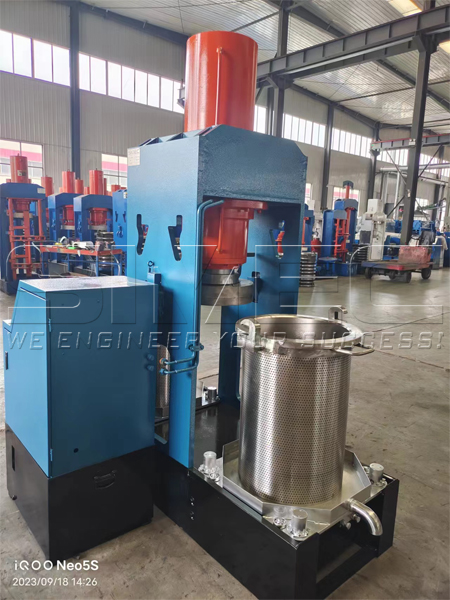 |  |
“Regarding our future plans, we aim to expand our production of organic unrefined hemp seed oil. This will result in an increase in the number of orders and a wider scope of cooperation with SIMEC,” stated the client.
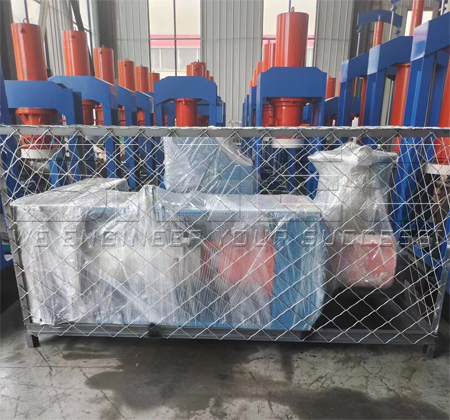
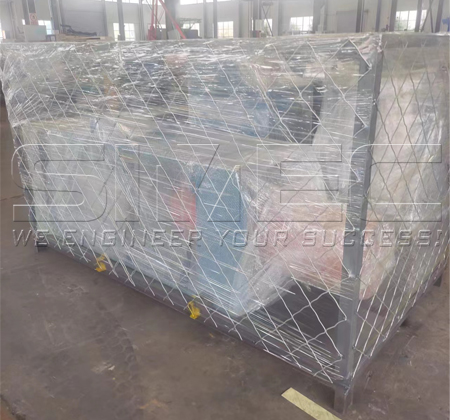
The hydraulic oil press is wrapped in plastic film and fixed inside a steel case for safe transportation.
 |  |
Packing Details:
| Mark | Packing Dimensions (L*W*H) | Net Weight (kgs) | Gross Weight (kgs) |
| SIMEC | 2420x1350x1400mm | 2200 | 2430 |
| Total | 4.574 CBM | 2200 kgs | 2430 kgs |
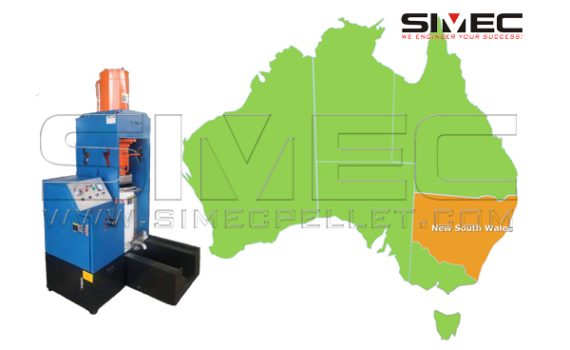
New South Wales holds a vital role in Australia as the country’s most developed agricultural and industrial state. Its unique mineral resources and strategic position have provided a solid foundation for industry and urbanization. Meanwhile, the natural landscape and mild climate give adequate circumstances for agriculture and animal husbandry development.
On this fertile land, one of our esteemed clients continues his family’s centuries-long farming and other connected industries. The main orchard crops farmed here are avocado and macadamia nuts, but other fruits and vegetables such as Davidson Plum and honey are also produced. AVOCADO fruit production in the orchards are grown and processed specifically to cater for the ever increasing Australian Cosmetic and Pharmaceutical industries. MACADAMIA nut & HONEY production in the orchards are processed locally and marketed nationally as well as around the world. Oil is also produced from the macadamia nuts for both the cosmetic and food industries.
 |  |
The farm’s requirements and regulations for the fruits and vegetables it provides are stringent, especially since the avocado orchard just applied for ACO “Organic Certification”. In order to diversify, the client chose to investigate avocado oil extraction and vegetable freeze-drying. In order to maintain high standards, he eventually selected SIMEC as the supplier of avocado oil production technology and machinery. He intends to continue his family’s solid business reputation by producing high-quality avocado oil product.
In May 2023, we finally delivered one set of HOP50/280 hydraulic oil press and one set of oil purification apparatus. The equipment is all in compliance with local electrical specifications and safety regulations. Unfortunately, due to the farm’s limited power and gas supply, a malaxing machine cannot be used on-site. However, the client states that after he overcomes the infrastructural limitations, he will consider purchasing SIMEC avocado malaxing machine in the future.
Packing Details:
| Item | Packing Size (mm) | Net Weight (kgs) | Gross Weight (kgs) |
| Oil Purification Apparatus | 2420x1370x1400 | 484 | 540 |
| Avocado Oil Press | 1460x1350x1430 | 2200 | 2430 |
| TOTAL | 7.46 m3 | 2684 kgs | 2970 kgs |
 |  |
 |  |
 |  |
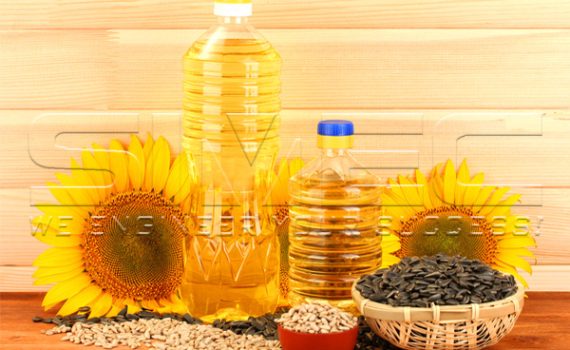
SIMEC hydraulic oil press machine adopts cold processing technology to extract sunflower seed oil at low temperature. Nutrients are retained to the maximum.
Sunflower seeds are the fruit of sunflowers. Its seed kernels contain 30%-45% fat, and up to 60%. Sunflower oil is golden in color, clear and transparent, and has an aromatic smell, which is an important edible oil. It contains a large amount of linoleic acid and other essential unsaturated fatty acids, which can promote the regeneration and growth of human cells, protect skin health, and reduce cholesterol stasis in the blood, and is a high-grade nutritional oil.

At present, the main players in China’s avocado market include Peru, Mexico and Chile, while China’s domestic production is also increasing year by year. Kenya’s fresh avocados gained long-awaited market access to China in June 2022, and Tanzania, another major African avocado producer, gained market access to China in November 2022.
Kenya has ideal climatic conditions for growing avocados, and the country’s low humidity and mild climate ensure stable yields and desirable flavors. Kenya produces more than 40 species of avocados, the main three varieties being Hass, Fuerte and Jumbo, and the main varieties exported and gaining market access to China are Haas.
Kenyan avocado exports continued from mid-March to mid-November. On August 2, 2022, the first batch of Kenyan fresh avocados departed for China, and Kenya was the first African country to export fresh avocados to China. In 2022, Kenya exported more than US$ 57 million worth of “green gold” to China.
The Avocado Society of Kenya believes that China is the world’s most potential avocado demander, and it is expected that China’s avocado imports and domestic production will increase in the next few years. ASOK has made it a priority to produce more avocados to increase the supply of exports to China. Shipments will begin at the beginning of the 2023 harvest season, i.e. from March, and exports are expected to more than double in the 2023 season.
 |  |
However, not all avocados meet the quality requirements for export to China. The reason for non-compliance may be due to color, size, shape and so on. They cannot be sold directly as fruit, but they still contains nutrients and oil. To develop the value of such non-compliance avocados, a wisdom Chinese entrepreneur decided to invest in the production of avocado oil, adopting SIMEC cold pressing technology. SIMEC avocado oil press machine is easy to operate and run in automatic mode. The business development strategy is to lease machines to avocado farmers and train them to operate the machines. This will help to provide a large number of jobs to the local people and increase their income. The avocado oil can be exported to China and Europe. SIMEC avocado oil press can produce extra virgin avocado oil which can be sold as cosmetics raw material and edible oil.
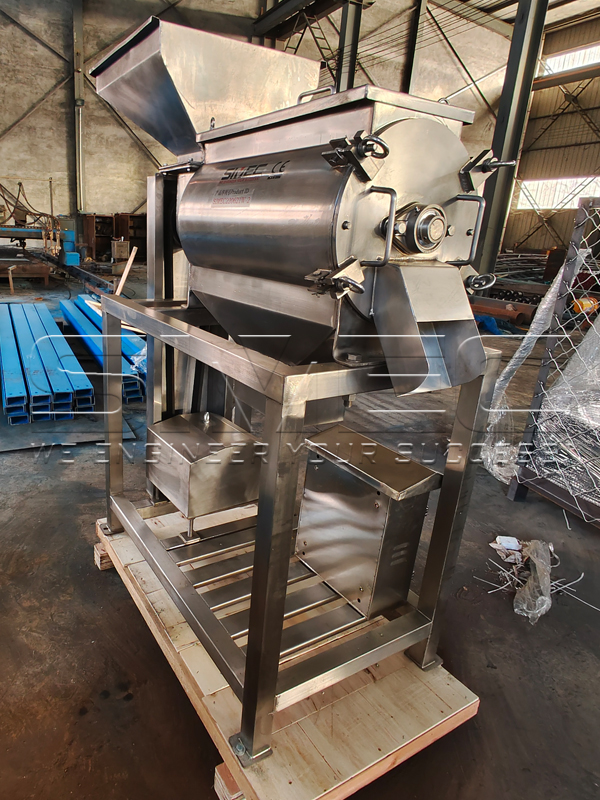
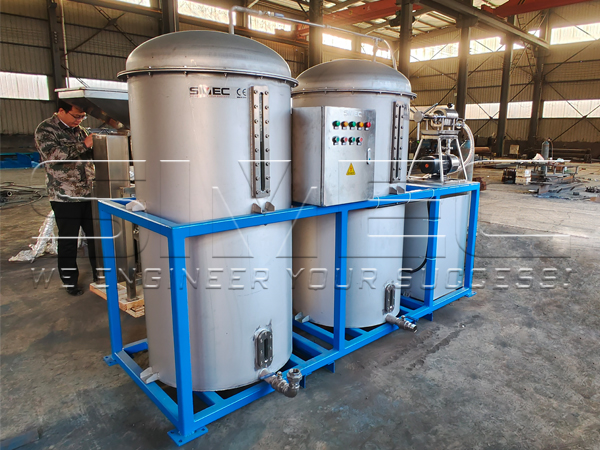
On 14th December 2022, Avocado Pulping Machine, Avocado Oil Press and Oil Purification Apparatus were delivered to Qingdao port and loaded on the ship to Kenya. Before delivery, all the machines have passed PVoC inspection. PVoC is the short of Product Verification of Conformity.
Packing Details:
| Name | Overall Dimensions (L*W*H mm) | Volume (m³) | Net Weight (kgs) | Gross Weight (kgs) |
| Avocado Oil Press | 2420x1370x1400 | 4.64 | 2200 | 2450 |
| Avocado Pulping Machine | 1180x680x1520 | 1.22 | 196 | 220 |
| Oil Purification Apparatus | 2580x960x1990 | 4.93 | 488 | 540 |
| Total | 10.79 | 2884 | 3210 |
Photos Before Packaging:
 | 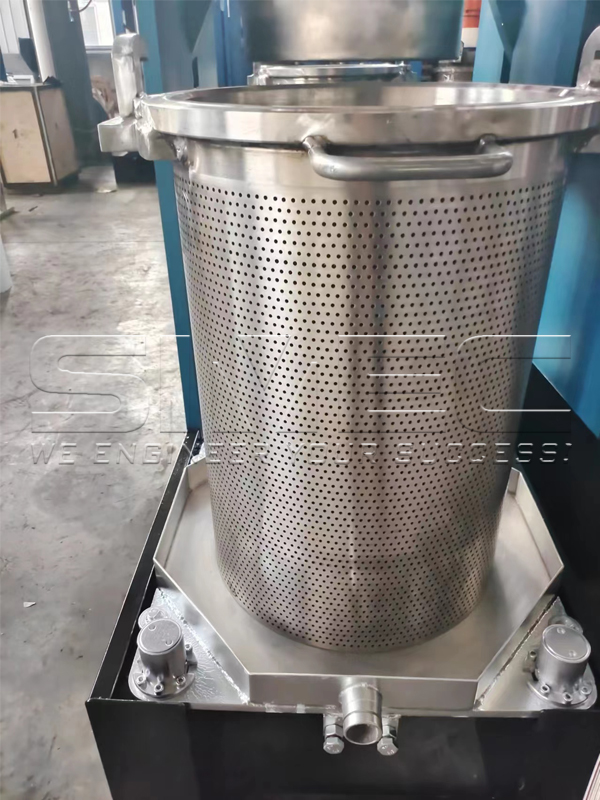 | 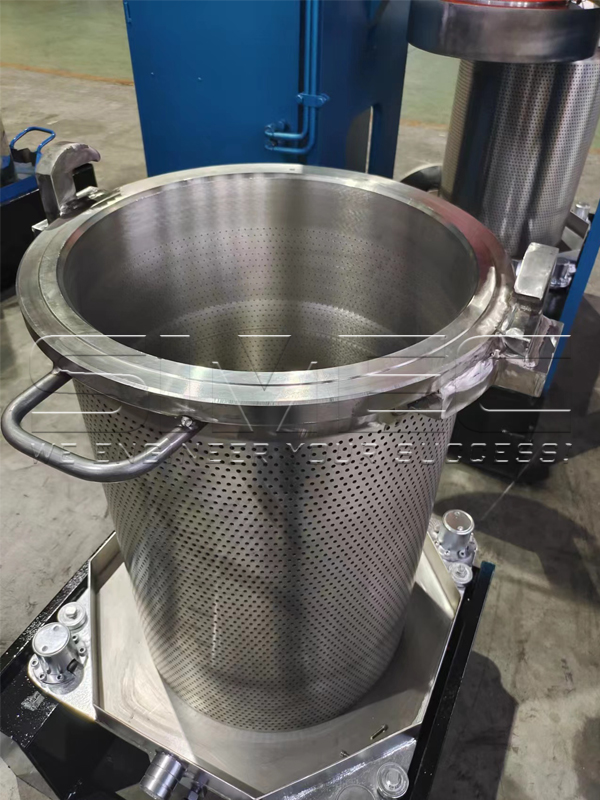 |
 |  |  |
 |  |